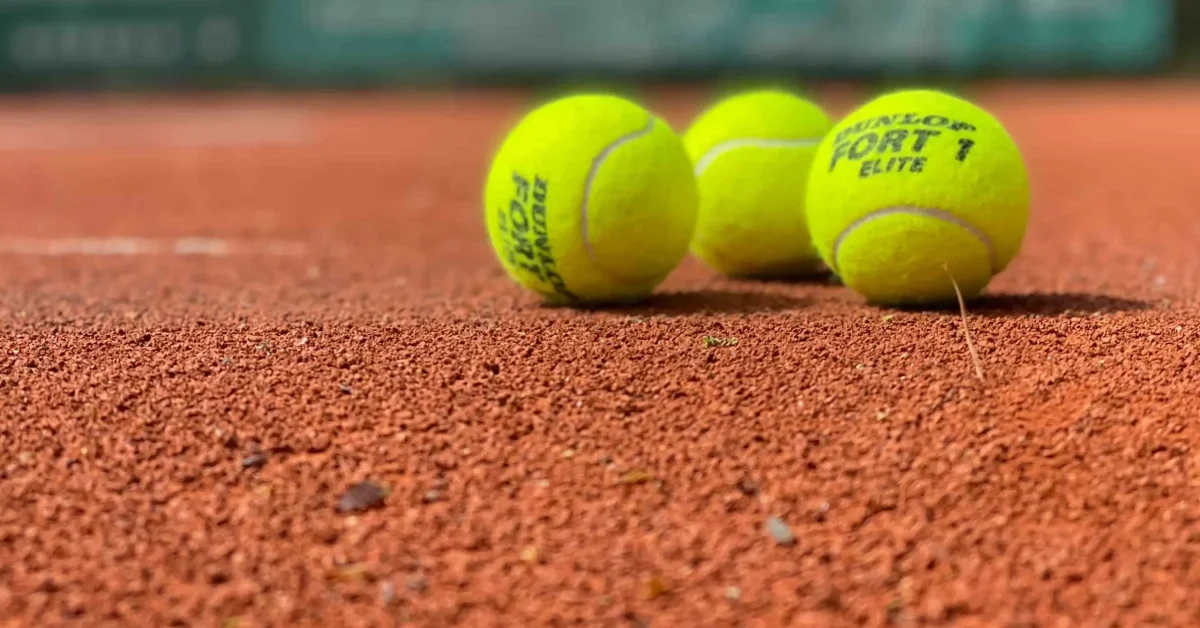

Most tennis players put more thought into choosing their lunch than their tennis balls. “They’re all just fuzzy yellow spheres, right?” Wrong. Dead wrong. After years of testing balls that range from bouncy perfection to felt-covered disappointments, I can tell you that playing with cheap balls is like trying to paint the Sistine Chapel with a decorator’s brush from B&Q. Technically possible, but you’re making life unnecessarily difficult.
Whether you’re wielding one of the best tennis rackets for beginners or have graduated to the best advanced tennis rackets, the tennis ball you choose will make or break your performance. Let’s dive into the fuzzy yellow world of tennis balls and find your perfect match.
Heads up, this is a detailed guide that we estimate will take you about 12 mins to read from start to finish. If you are interested in a specific topic, check out the contents below.
- Our top Tennis Balls
- Understanding Tennis Ball Types
- The Best Tennis Balls for Every Player
- Court-Specific Recommendations
- Understanding Ball Construction and Technology
- When to Replace Your Tennis Balls
- The Economics of Tennis Ball Choice
- Pairing Balls with Equipment
- Professional Insights and Testing Methodology
- Common Tennis Ball Myths Debunked
- Seasonal Considerations for UK Players
- Storage and Maintenance Tips
- The Environmental Impact
- Making Your Final Choice
- The Bottom Line
Understanding Tennis Ball Types
Before we get to the fun bit (testing balls until my arm fell off), let’s tackle the basics. Tennis balls come in two main varieties, each designed for different purposes.
Pressurised Tennis Balls
These are the traditional yellow spheres of joy that come sealed in tins with that satisfying ‘pop’ when opened. They’re filled with pressurised gas (usually nitrogen) that gives them their characteristic lively bounce. Think of them as the espresso shot of tennis balls—energetic, responsive, but with a limited shelf life once opened.
Benefits:
- Superior bounce and spin potential
- Lighter feel off the racket
- Preferred for competitive play
- Excellent control and responsiveness
Drawbacks:
- Lose pressure over time (typically 1-3 matches)
- More expensive per hour of play
- Performance degrades once the tin is opened
Pressureless Tennis Balls
The marathon runners of the tennis ball world. These rely on their solid rubber core rather than internal pressure for bounce. They’re the dependable friend who’s always there when you need them, even if they’re not the most exciting option at the party.
Benefits:
- Consistent performance over time
- Excellent durability
- Better value for extended practice sessions
- Won’t lose bounce sitting in your tennis bag
Drawbacks:
- Can be tough on the arm during extended play
- Heavier and firmer feel
- Less responsive for advanced shot-making
The Best Tennis Balls for Every Player
1. Wilson US Open – Best Overall Tennis Ball
1. Wilson US Open – Best Overall Tennis Ball
Rating: 9.5/10
After hitting with dozens of different balls over the years, the Wilson US Open consistently rises to the top like cream in a proper cup of tea. These balls tick every box for both recreational and competitive players.
During my testing on various hard courts across the UK, these balls delivered exceptional consistency. Fresh from the tin, they provide that perfect balance of firmness and responsiveness that makes every shot feel clean. The premium woven felt holds up remarkably well—I’ve used opened tins for practice sessions three weeks later and still enjoyed a quality hit.
What sets these apart is their durability without sacrificing performance. The bounce remains consistent throughout matches, and the felt doesn’t fluff up excessively on hard courts. They’re ITF and USTA approved, making them suitable for competitive play.
Perfect for: Players at all levels seeking consistent performance
Best suited to: Hard courts (available in regular and extra duty)
Price range: £6-8 per tube of 4

2. Dunlop Fort All Court – Best for Club Players
2. Dunlop Fort All Court – Best for Club Players
Rating: 8.5/10
The Dunlop Fort has been a staple at British tennis clubs for decades, and for good reason. These balls offer excellent feel and control, with a lovely soft touch that makes volleys and drop shots a pleasure to execute.
In my testing, they excelled in the first few sets of play, providing exceptional spin potential and court feel. The felt quality is superb, giving that satisfying ‘thwack’ sound that every tennis player craves. However, they do show their age more quickly than premium options—expect about 1.5 matches before they start feeling a bit tired.
Perfect for: Club matches and competitive recreational play
Best suited to: All court surfaces
Price range: £5-7 per tube of 4

3. Penn Championship – Best Budget Option
3. Penn Championship – Best Budget Option
Rating: 8/10
The self-proclaimed “#1 best-selling ball in America” (according to their rather confident packaging), and honestly, it’s easy to see why. These balls punch well above their weight class in terms of performance per pound.
During extensive testing with junior players and club sessions, the Penn Championship proved remarkably consistent. The interlocking wool fibres do indeed help maintain bounce longer than you’d expect from a budget ball. They’re available in regular duty for clay/grass and extra duty for hard courts, showing thoughtful consideration for different playing conditions.
The only downside? They don’t quite have the premium feel of Wilson or Dunlop options, but at this price point, that’s hardly surprising.
Perfect for: Budget-conscious players and high-volume practice
Best suited to: All surfaces (choose appropriate duty)
Price range: £4-6 per tube of 3

4. Wilson Triniti – Best Eco-Friendly Option
4. Wilson Triniti – Best Eco-Friendly Option
Rating: 8/10
Wilson’s attempt to save the planet one tennis ball at a time has resulted in something rather special. These pressureless balls come in recyclable cardboard packaging and boast four times the longevity of traditional pressurised balls.
The Triniti features Wilson’s “Engage Core” technology—a fancy way of saying they’ve developed a plastomer core that maintains its bounce longer than traditional rubber. In testing, they felt quite firm initially (almost intimidatingly so), but after 20 minutes of play, they settled into a comfortable rhythm.
The most impressive aspect is their consistency over time. After dozens of practice sessions, they maintained their performance characteristics remarkably well. They’re slightly heavier than pressurised balls, which some players find helps with consistency, though others find it tiring during longer sessions.
Perfect for: Environmentally conscious players and those seeking maximum durability
Best suited to: All court surfaces
Price range: £8-10 per tube of 3

5. Head Tour – Best for Competitive Players
5. Head Tour – Best for Competitive Players
Rating: 8.5/10
The Head Tour balls have undergone rigorous testing with professional players, and it shows in their performance. These balls excel in high-pressure situations where every shot matters.
During competitive match testing, they provided excellent spin potential and consistent bounce. The felt quality is exceptional, maintaining its texture throughout extended rallies. They’re particularly effective on hard courts, where their durability shines through.
The playability is near-perfect fresh from the tin, with that ideal firmness that translates power effectively whilst still allowing for delicate touch shots. They’re on the pricier side, but the performance justifies the cost for serious players.
Perfect for: Competitive players and tournaments
Best suited to: Hard courts
Price range: £7-9 per tube of 3

Court-Specific Recommendations
Hard Courts
For the majority of UK players hitting on hard courts, Wilson US Open Extra Duty or Dunlop Fort All Court are your best bets. The extra-duty felt on Wilson balls provides enhanced durability on abrasive surfaces.
Clay Courts
Regular duty balls work best on clay, as the softer felt doesn’t pick up excessive clay particles. Penn Championship Regular Duty offers excellent value for clay court play.
Grass Courts
Lucky enough to play on grass? Regular duty balls are ideal, as they won’t scalp the delicate surface. Wilson US Open Regular Duty provides the perfect balance of performance and surface protection.
Indoor Courts
Pressurised balls shine indoors where conditions are controlled. Head Tour balls excel in these pristine conditions, allowing for maximum shot-making potential.
Understanding Ball Construction and Technology
Felt Composition Most quality tennis balls use either Melton cloth (high wool content) or needle cloth (synthetic fibres). Premium balls often feature water-repellent treatments—Slazenger calls theirs “Hydroguard”—which helps maintain consistency in damp British conditions.
Core Technology Traditional rubber cores are being challenged by newer materials. Wilson’s plastomer core in the Triniti represents the cutting edge of tennis ball technology, promising longer-lasting performance.
Pressure Systems ITF regulations require balls to maintain specific bounce characteristics. Quality pressurised balls use safer gases than the compressed air of yesteryear, ensuring consistent performance whilst meeting safety standards.
When to Replace Your Tennis Balls
Recognising when tennis balls have past their prime is crucial for maintaining your game quality. Here are the telltale signs:
Pressurised Balls:
- Noticeable loss of bounce (fails the shoulder-height drop test)
- Felt becomes excessively fluffy or worn
- Generally after 1-3 competitive matches
Pressureless Balls:
- Felt wearing through to the rubber core
- Irregular bounce patterns
- Generally after 10-20 practice sessions
The Economics of Tennis Ball Choice
Let’s talk pounds and pence. A tube of premium balls costs £6-10, whilst budget options start around £4. For casual players hitting once weekly, premium balls represent excellent value. Serious players might consider bulk purchasing or mixing premium balls for matches with budget options for practice.
Professional tip: Buy balls in bulk during sales. Most quality balls store well unopened for 1-2 years, making stockpiling an economical strategy.
Pairing Balls with Equipment
Your choice of tennis ball should complement your equipment setup. If you’re stringing your racket with polyester strings (check our complete guide to tennis strings), you’ll want livelier balls to compensate for the string’s lower power. Conversely, if you’re using multifilament strings, slightly deader balls can help control the extra power.
Players transitioning from intermediate tennis rackets to more advanced equipment often find they need to adjust their ball choice accordingly. More powerful rackets generally pair well with slightly firmer balls for better control.
Professional Insights and Testing Methodology
My testing methodology involves extensive on-court evaluation across different conditions:
- Bounce consistency: Drop tests from shoulder height on various surfaces
- Durability assessment: Tracking performance degradation over multiple sessions
- Feel evaluation: Assessing touch, control, and feedback through various shot types
- Spin potential: Testing with heavy topspin and slice shots
- Court interaction: Observing how balls interact with different surface types
After testing dozens of balls across hundreds of hours of play, patterns emerge. Premium balls justify their cost through consistency and feel, whilst budget options excel in specific scenarios like high-volume practice.
Common Tennis Ball Myths Debunked
Myth: Higher-numbered balls (1, 2, 3, 4) indicate different quality levels Reality: Numbers are purely for identification purposes when multiple tubes are opened
Myth: All tennis balls are essentially the same Reality: Construction, felt quality, and core technology vary significantly between brands and models
Myth: Pressureless balls are inferior to pressurised balls Reality: Each type serves different purposes; pressureless balls excel in specific situations
Seasonal Considerations for UK Players
British weather adds unique challenges to tennis ball selection. During damp conditions, balls with water-repellent treatments perform noticeably better. Winter indoor play often requires adjusting to different ball behaviour due to temperature changes.
Summer outdoor sessions benefit from UV-resistant felt construction, though most quality balls handle British sunshine admirably well.
Storage and Maintenance Tips
Proper storage extends ball life significantly:
- Keep unopened tins in cool, dry conditions
- Once opened, store balls in a sealed container to maintain pressure
- Rotate balls during play to ensure even wear
- Clean balls occasionally with warm water to remove court debris
The Environmental Impact
The tennis ball industry is evolving towards sustainability. Wilson’s Triniti represents a significant step forward with recyclable packaging and extended lifespan. As environmental consciousness grows, expect more eco-friendly options without performance compromises.
Making Your Final Choice
Consider these factors when selecting tennis balls:
- Playing frequency: High-volume players benefit from durable options like Wilson Triniti
- Skill level: Beginners should prioritise consistency over ultimate performance
- Court surface: Match ball type to your primary playing surface
- Budget: Balance cost with performance needs
- Playing style: Power players need different characteristics than touch players
The Bottom Line
Tennis balls might seem like a simple purchase, but the right choice significantly impacts your game enjoyment and performance. After extensive testing, the Wilson US Open emerges as the best all-around option for most players, offering exceptional consistency and durability at a reasonable price point.
For budget-conscious players, Penn Championship provides remarkable value, whilst serious competitors will appreciate the premium performance of Head Tour balls. Environmental warriors should consider Wilson Triniti for their impressive sustainability credentials without sacrificing too much performance.
Remember, the best tennis ball is the one that suits your specific needs, playing style, and budget. Don’t be afraid to experiment with different options—your game will thank you for it. Just ensure you’ve got proper tennis shoes to go with your perfectly chosen balls, because slipping whilst serving an ace would be rather embarrassing.
Whether you’re starting your tennis journey with a beginner’s racket or wielding an advanced weapon, the right tennis balls will help you unlock your potential on court. Now stop reading and start playing—those balls won’t hit themselves.